Cognitive Computing: Transforming Education
Cognitive computing is making significant inroads into the education sector, promising a future where learning is more personalized, engaging, and effective. By simulating human thought processes, these AI-powered systems can understand individual student needs, adapt teaching methods, and provide valuable insights to educators. This shift is not just about digitizing content but about fundamentally enhancing the learning experience.
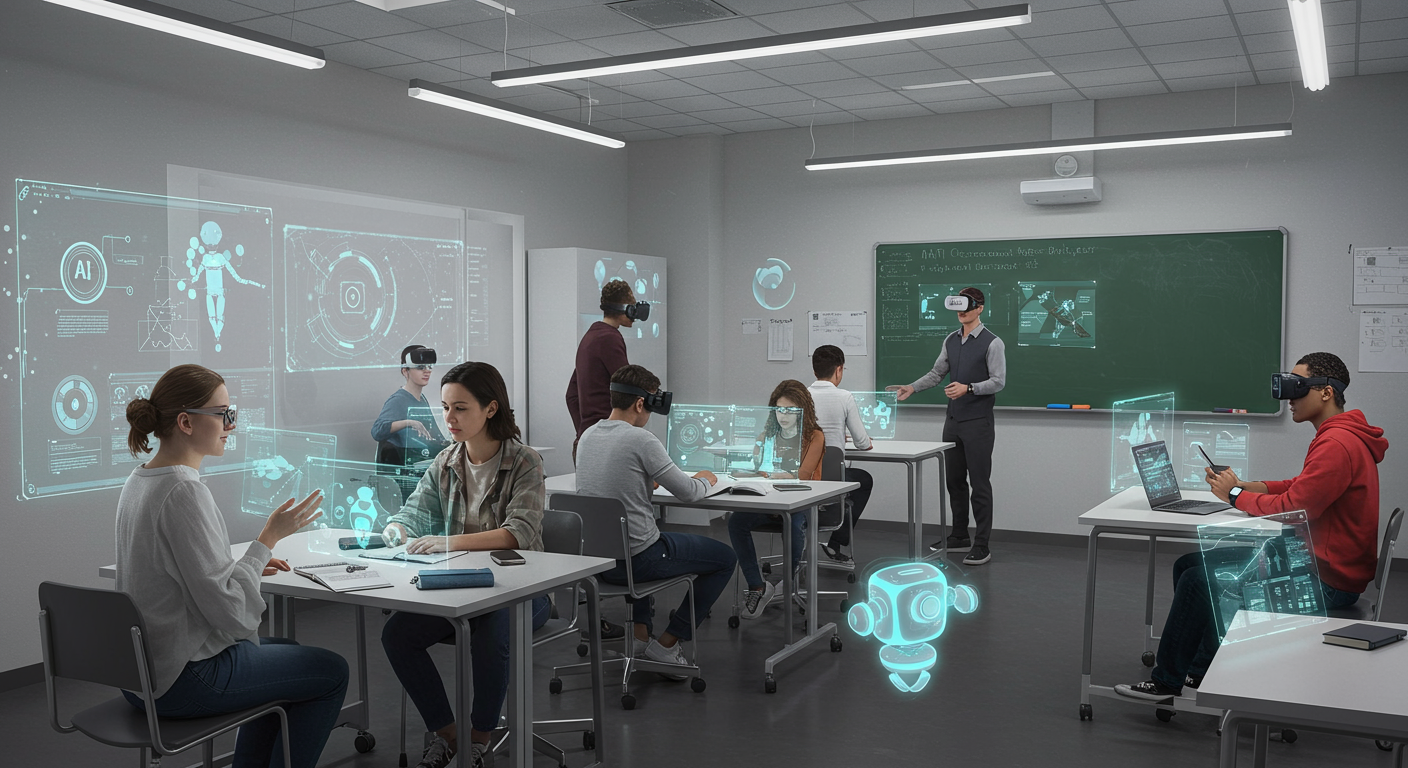
Imagine intelligent tutoring systems that can identify a student's learning gaps in real-time and offer tailored explanations and exercises. Cognitive tools can also automate administrative tasks, freeing up teachers to focus on direct student interaction and mentorship. Furthermore, these systems can analyze vast amounts of educational data to uncover trends, predict student outcomes, and help institutions optimize their curricula and resources.
Key Areas of Impact
- Personalized Learning Paths: Cognitive systems can assess a student's knowledge, learning style, and pace, then create customized learning journeys. This ensures that students are neither bored by material they've mastered nor overwhelmed by concepts they're not ready for.
- Intelligent Tutoring Systems (ITS): AI tutors can provide one-on-one assistance to students, offering instant feedback, hints, and explanations. These systems can adapt to a student's emotional state and learning patterns, providing a supportive and effective learning companion. Explore more about ITS on platforms like Coursera.
- Automated Assessment and Feedback: Cognitive computing can automate the grading of assignments and exams, providing quick and consistent feedback to students. This allows educators to focus on more nuanced aspects of teaching and student development.
- Enhanced Tools for Educators: Teachers can benefit from AI-powered tools that help identify struggling students, suggest appropriate interventions, and provide insights into classroom dynamics. This empowers educators to make data-driven decisions.
- Accessibility and Inclusivity: Cognitive systems can help create more accessible learning environments for students with disabilities by providing tools like voice-to-text, personalized interfaces, and adaptive learning materials. Learn about web accessibility guidelines from the W3C Web Accessibility Initiative.
The integration of cognitive computing in education is not without its challenges. Ensuring data privacy, ethical use of AI, and equitable access to these technologies are crucial considerations. However, the potential benefits for creating a more adaptive, insightful, and student-centric educational landscape are immense. As these technologies continue to evolve, they will undoubtedly play a pivotal role in shaping the future of learning.
Insight: Cognitive educational tools can analyze student responses to understand not just *what* they know, but *how* they think and approach problems, leading to deeper pedagogical insights.
For further reading on the broader implications of AI, consider visiting OpenAI's Blog, which often discusses advancements and ethical considerations in artificial intelligence.